Records
Structured history, encounters organised by pathology, and results and treatments reachable in a couple of clicks rather than a phone call to another clinic.
ayanaEHR is the core of the ecosystem. Everything else in Ayana reads and writes here.
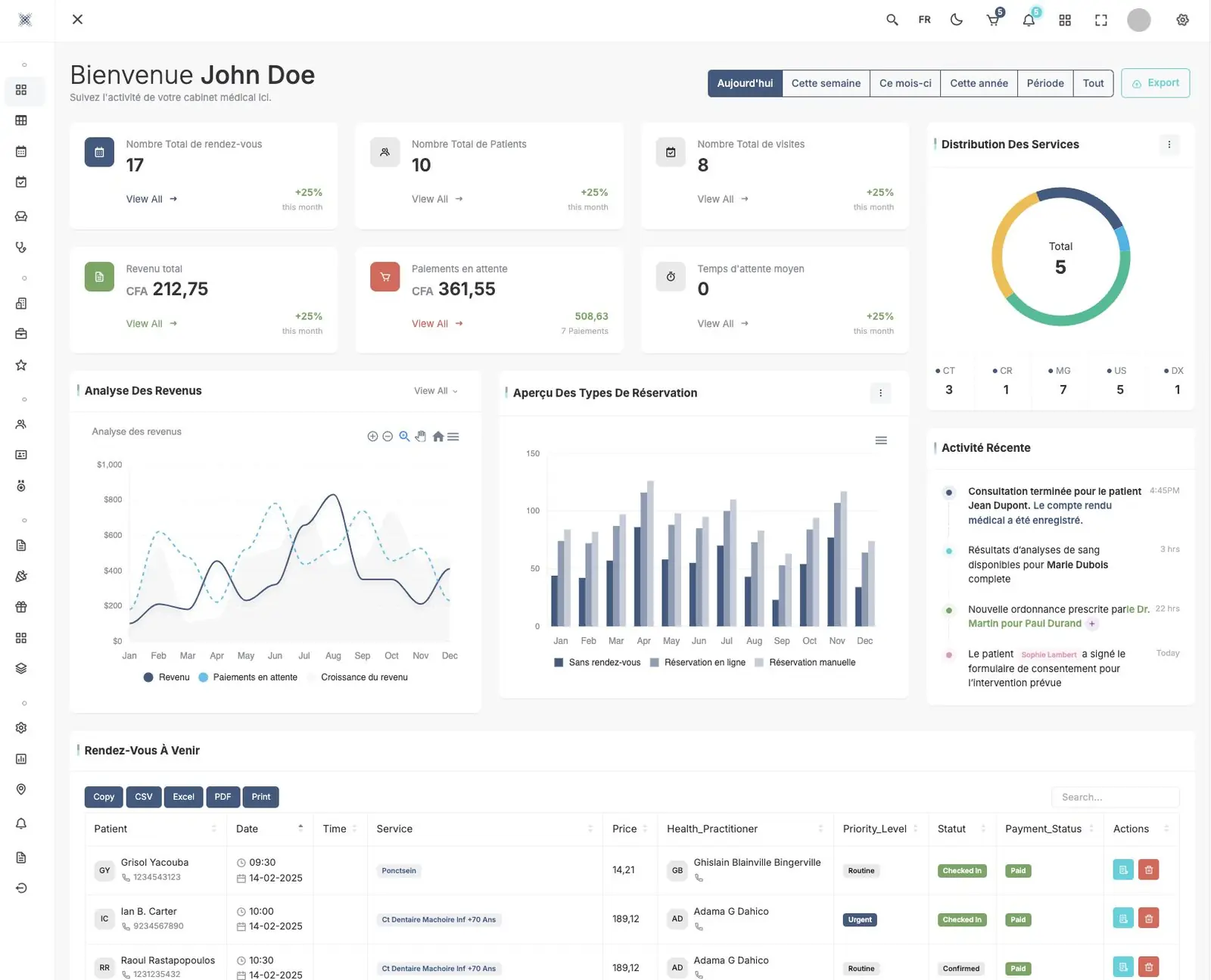
A record is only useful if the clinic can run on it. ayanaEHR holds the patient history and the whole day that happens around it: who is booked, who is waiting, who is being seen, what was said, and what it cost.
It is one bounded context inside the Ayana monolith, sharing a database with scheduling, telemedicine and transcription rather than integrating with them over a network that may not be there.
Structured history, encounters organised by pathology, and results and treatments reachable in a couple of clicks rather than a phone call to another clinic.
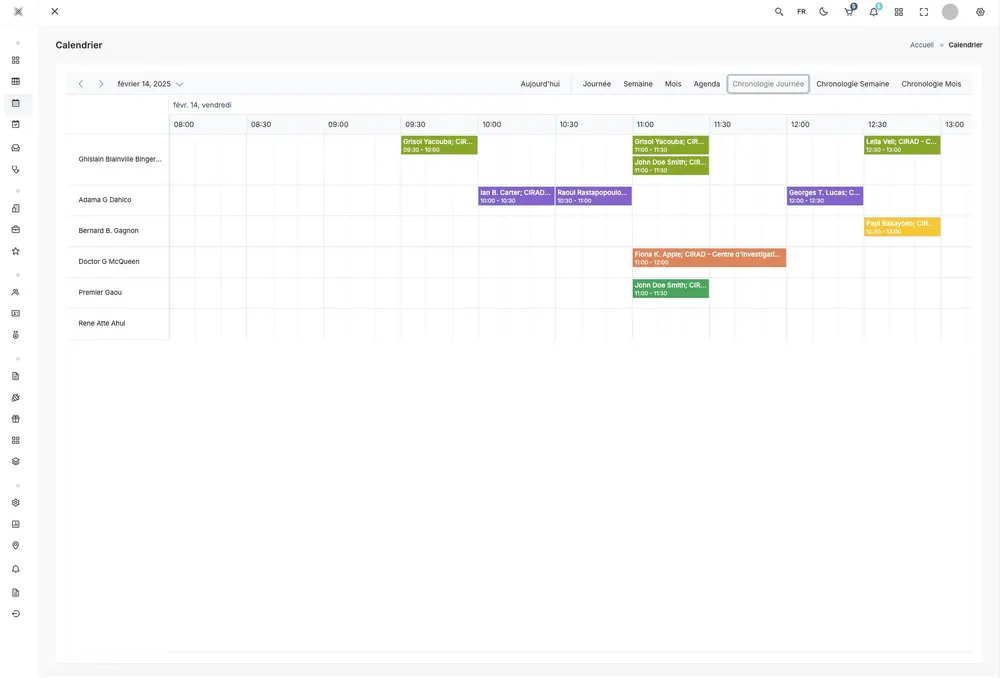
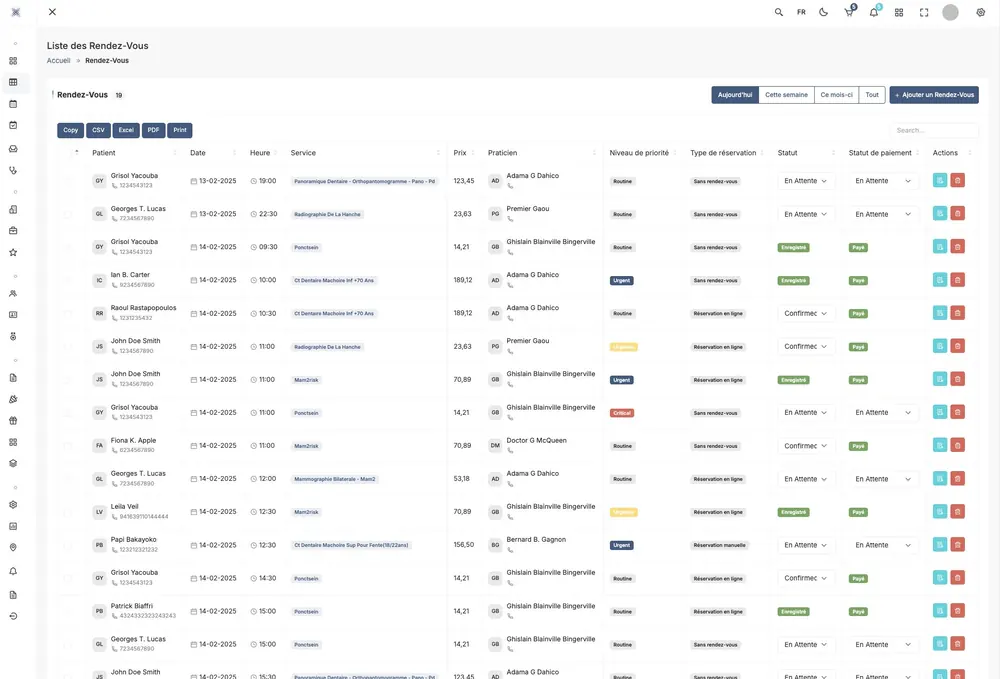
Availability per practitioner in real time, booking from the desk or from the patient’s phone, and reminders aimed at the no-show rate.
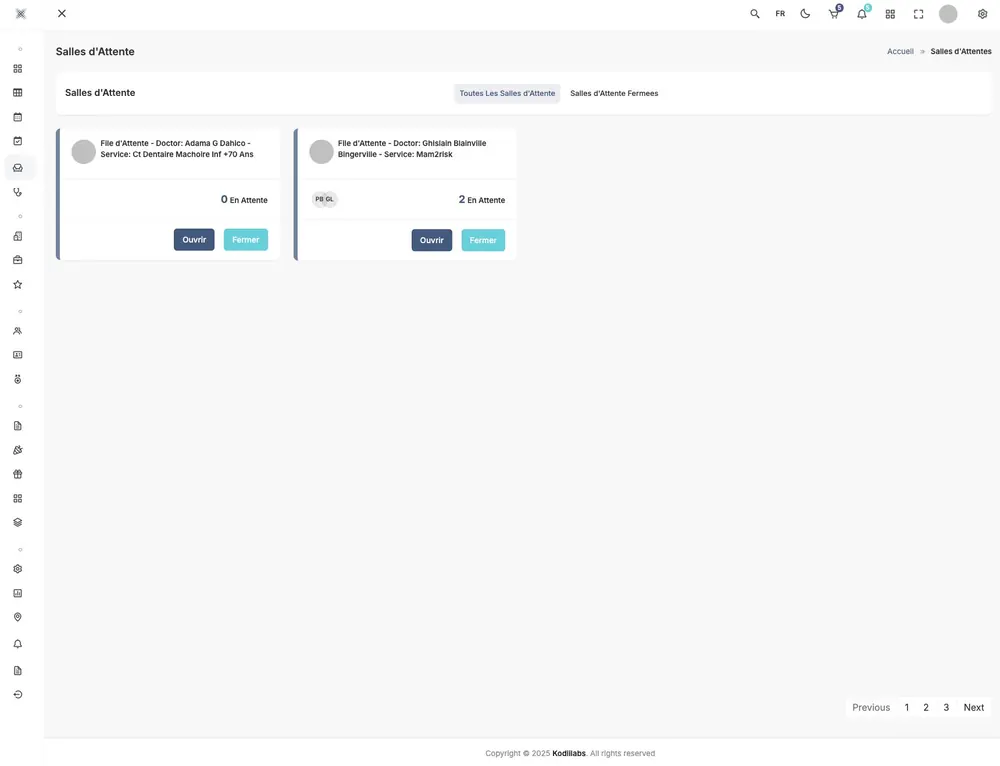
A queue the clinic can actually see: slots allocated by urgency and availability, with each patient’s position tracked and visible to them.
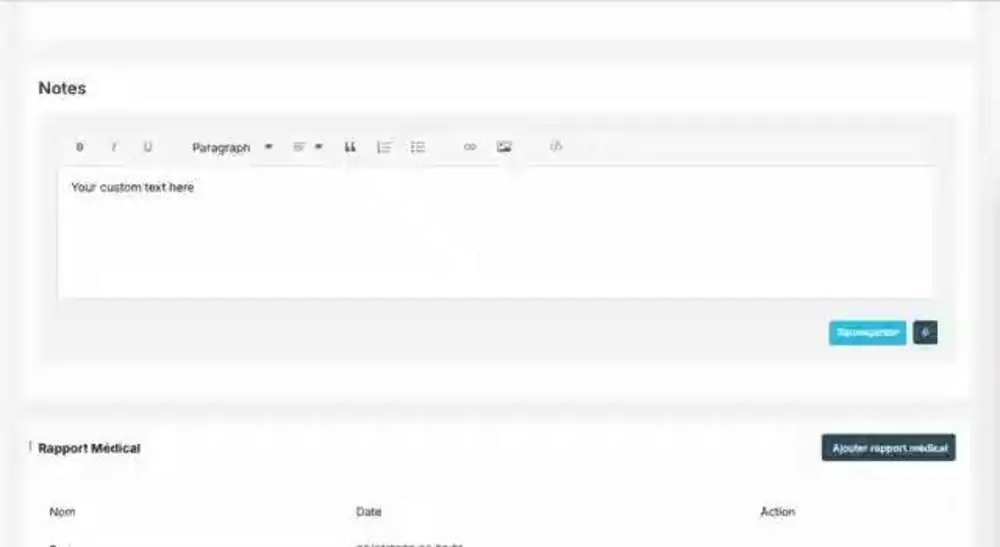
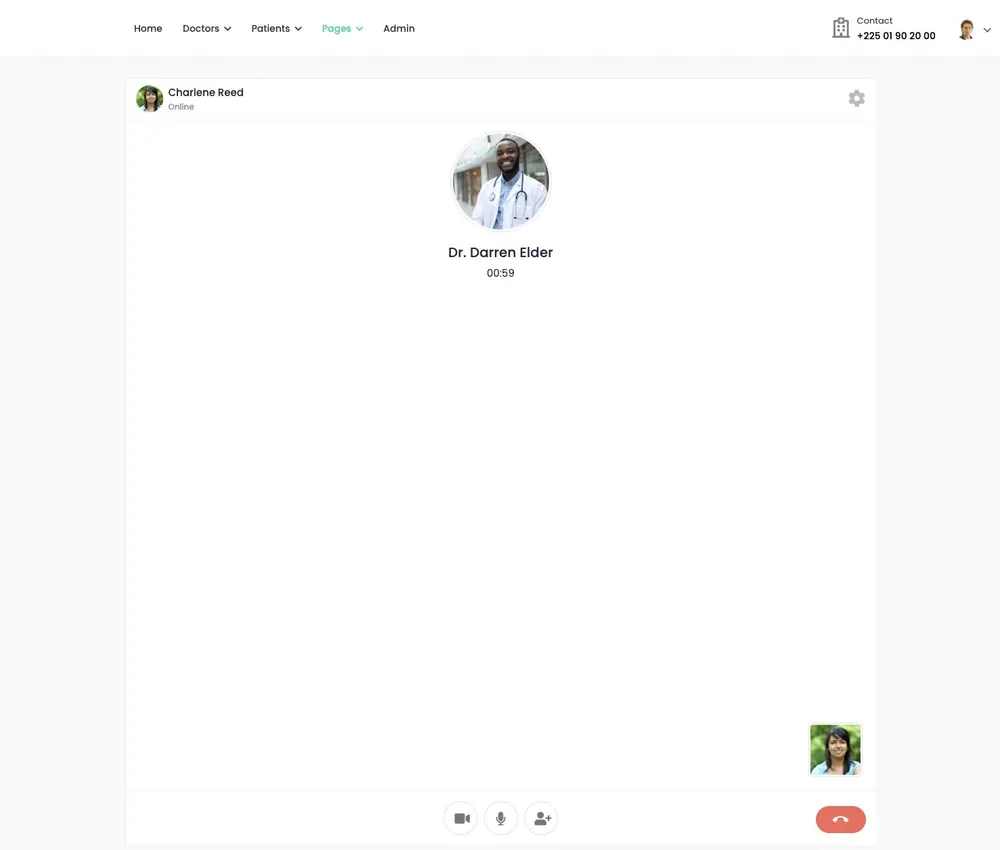
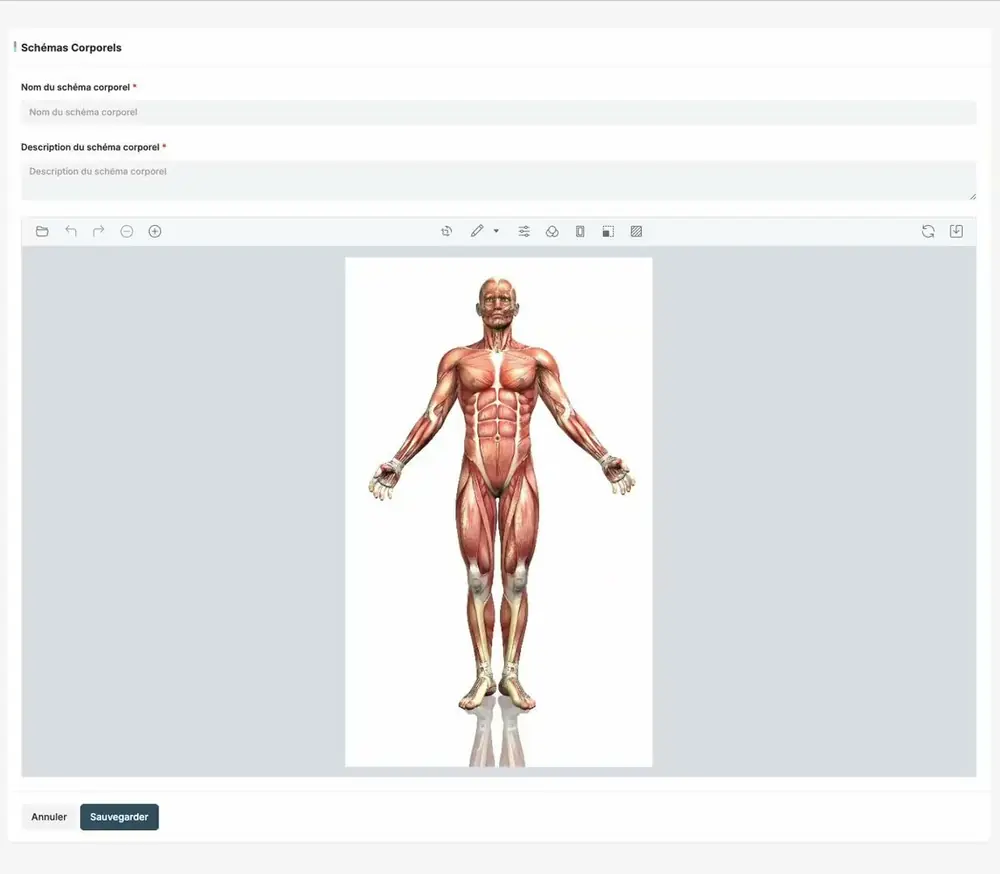
In the room or over video, with the record open beside it. Body diagrams, prescriptions and electronic signature belong to the encounter, not to a separate tool.
Voice recognition transcribes the consultation as it happens and files the note against the record, which is the difference between notes written and notes written later.
Profiles, roles and permissions, availability and signatures, across facilities. A practitioner working in three clinics is one practitioner, not three accounts.